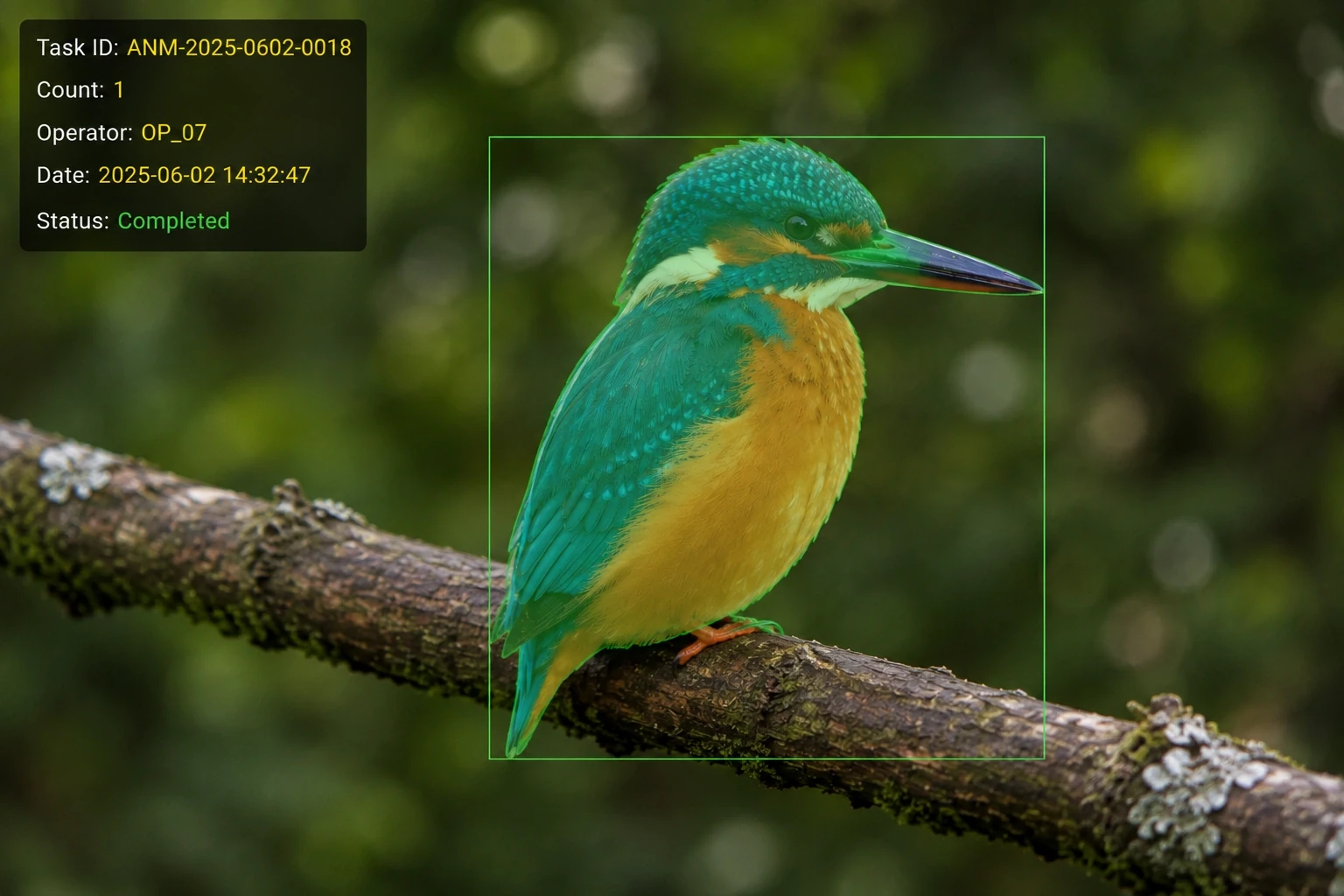
Bounding boxes
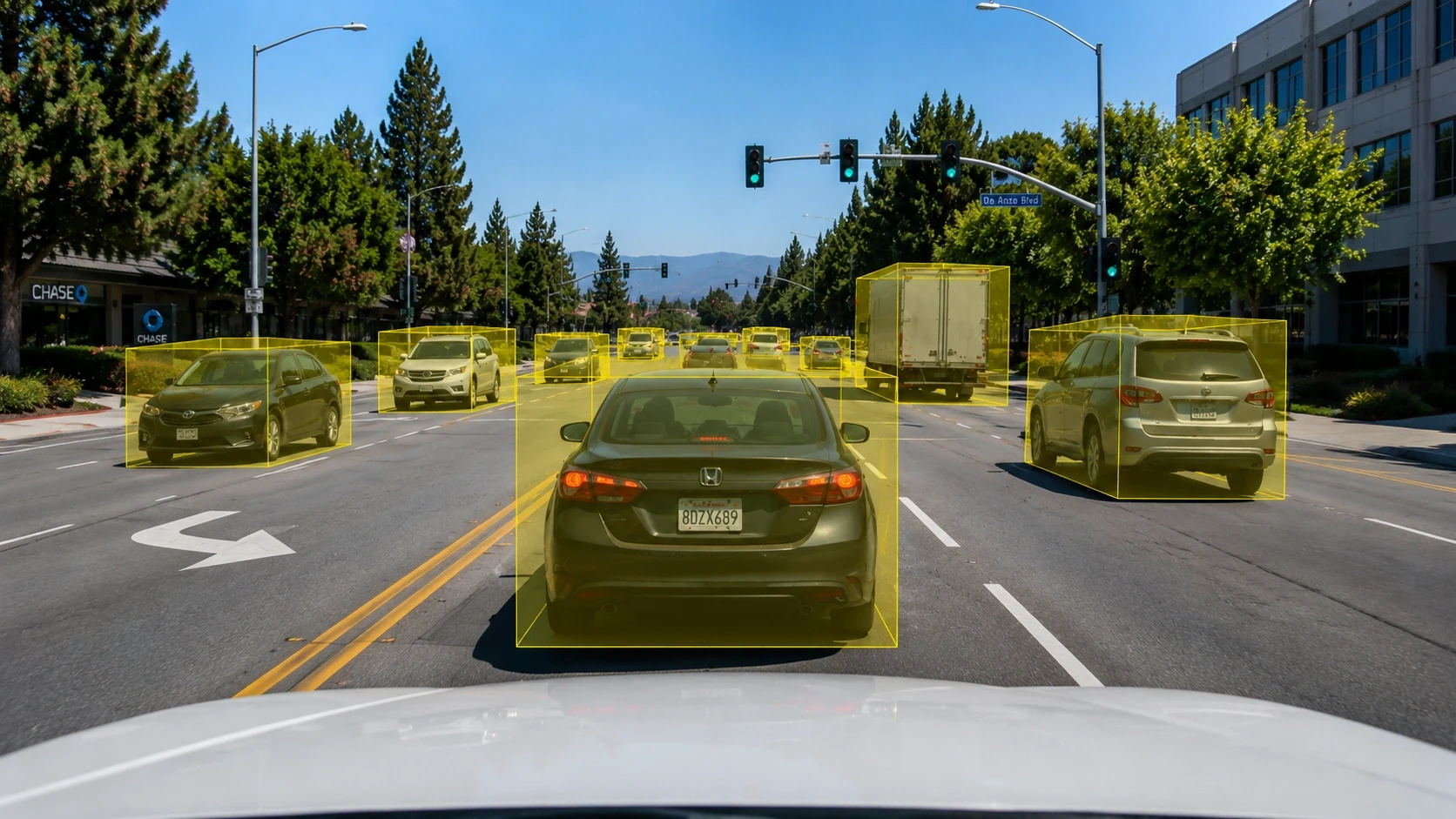
Localizing and classifying objects quickly with tight rectangular boundaries, essential for object detection and tracking.
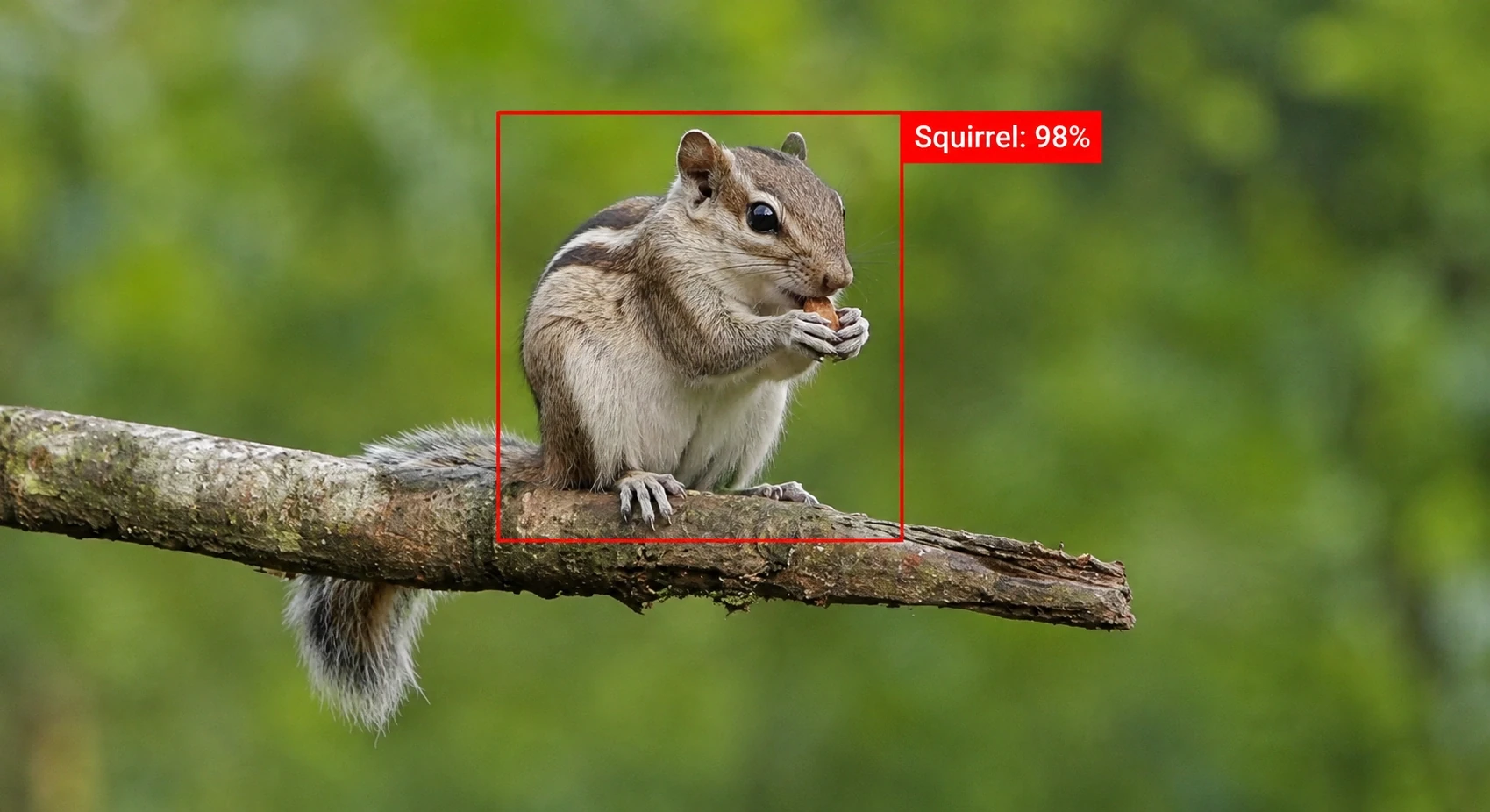
Frame-by-frame annotation, persistent object tracking, and temporal event labeling for world-class video AI models.
RUN FREE PILOTTrusted by leading brands






.webp)
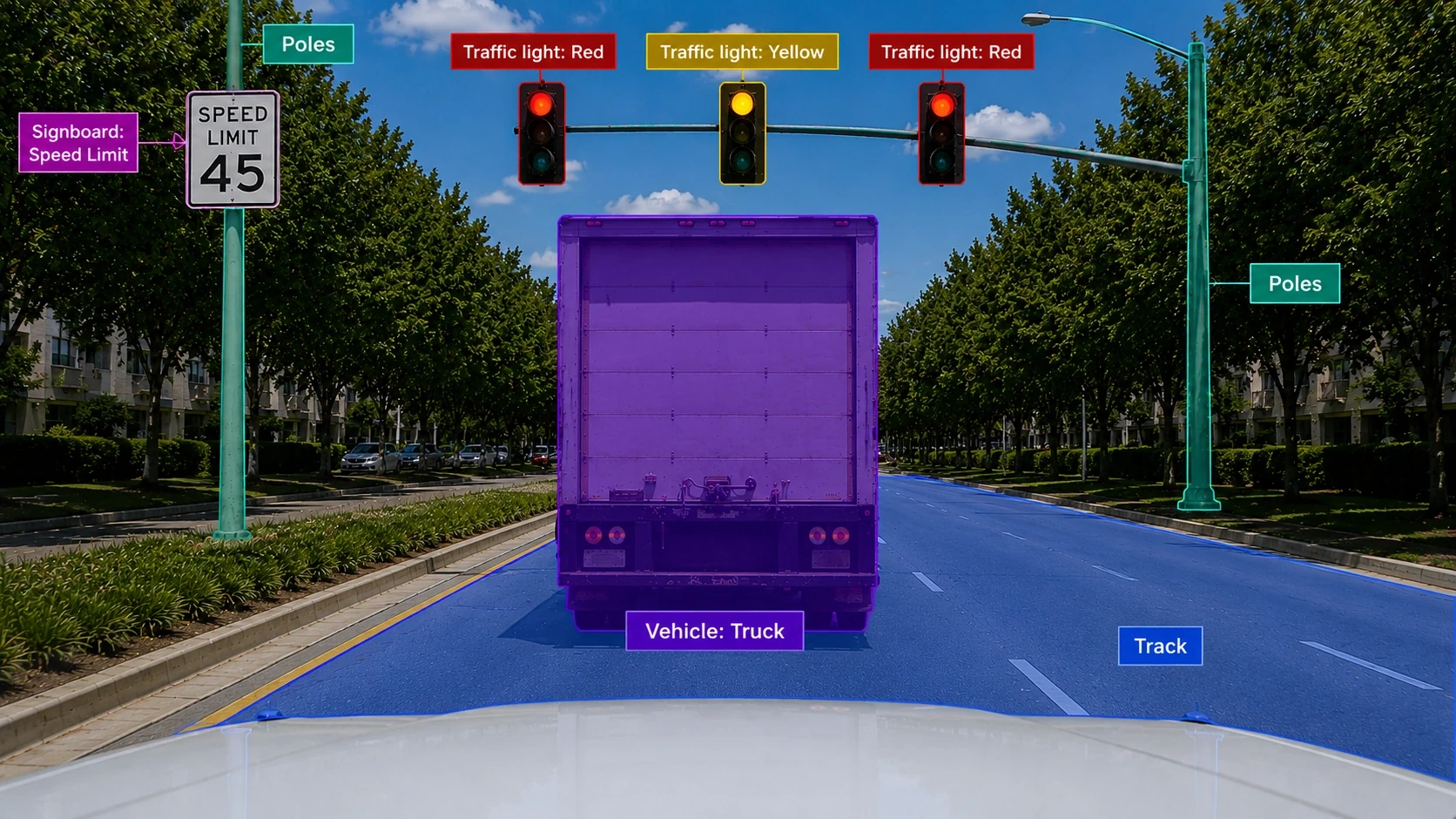
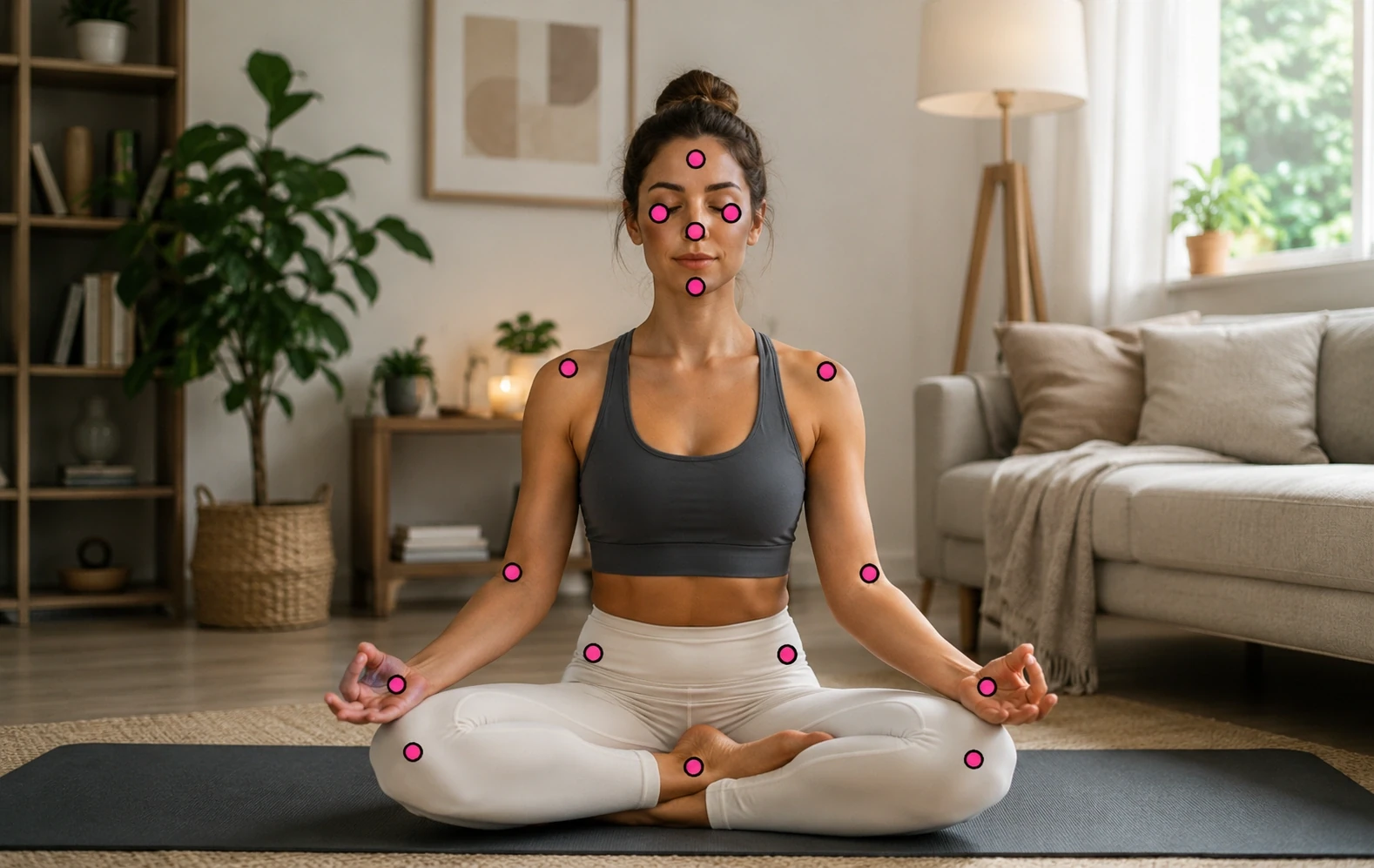
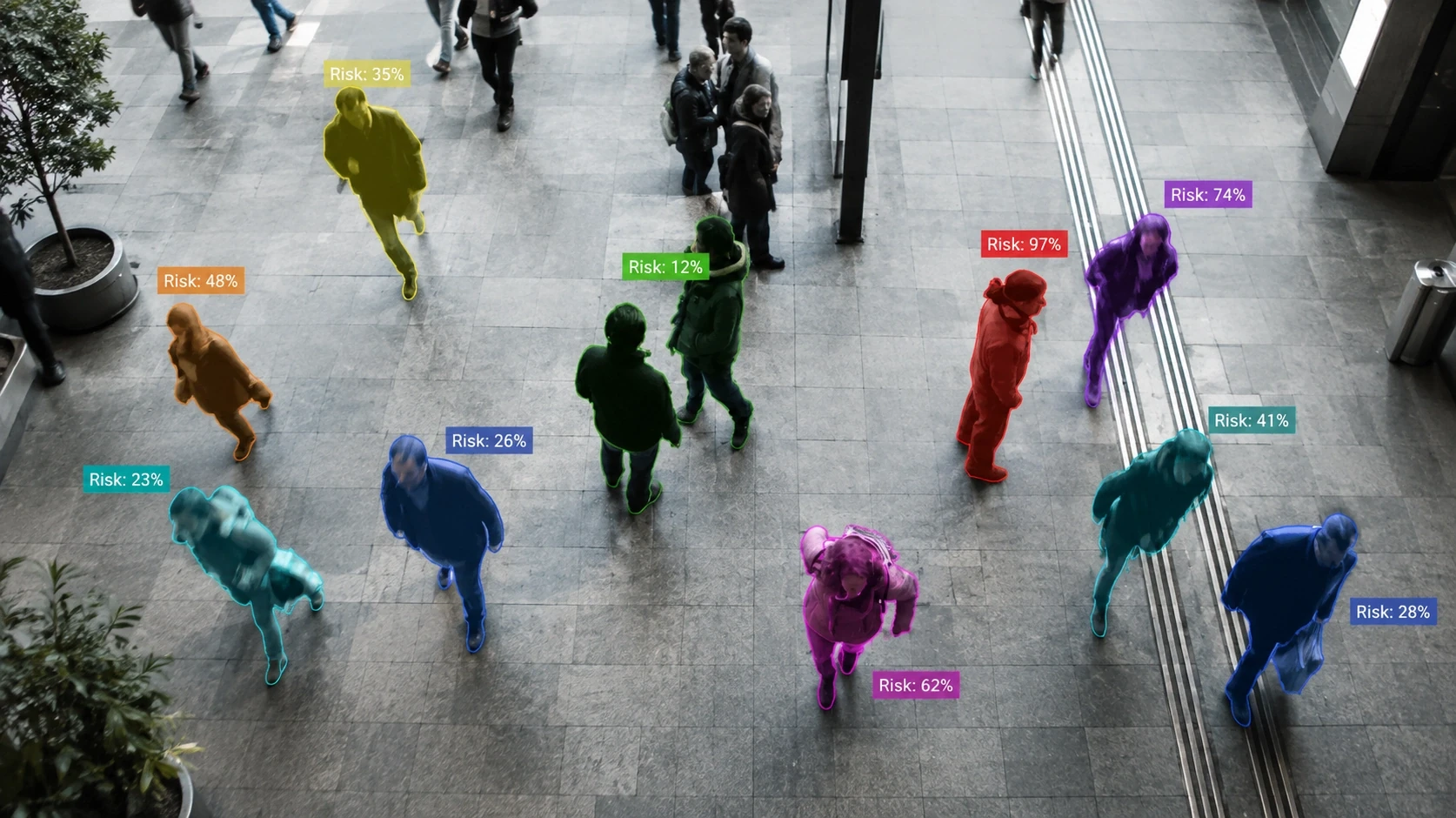
We provide high-precision annotation for all major computer vision tasks and video datasets. Our global team can expertly deliver the following annotation services:
Localizing and classifying objects quickly with tight rectangular boundaries, essential for object detection and tracking.
We exist for a future where temporal video models are trained on precisely annotated, expertly curated frame sequences running perfectly in your infrastructure.
We maintain object identity across thousands of frames, ensuring your tracking models learn from coherent, continuous sequences.
Every annotation file is validated for ID consistency, label accuracy, and geometric precision before delivery.
From short clips to multi-hour sequences, we scale annotation throughput dynamically to match your project timeline.
Your trust is our foundation. Engai is designed with a deep commitment to data privacy and security. Visit our trust page and security center to learn more.
fill up this form to send your pilot request
Discover how Engai's Data Pipeline and AI Infrastructure platform can make your organization AI-ready:
Automatically discover and map all datasets with contextualized inventory
Effortlessly manage ML lifecycle and address governance gaps
Drastically reduce deployment time by mitigating edge-case risks
Immediately detect and respond to model drift to minimize threat impact
Proactively apply zero-trust protection mechanisms for proprietary data
Your requirements and proprietary sample assets are encrypted in transit and never used for public model training.
Video annotation requires maintaining object identity (tracking IDs) consistently across hundreds or thousands of frames, including through occlusions, lighting changes, and camera motion. It also involves temporal labeling — marking when actions start and end — which requires annotators who understand motion patterns and object behavior over time, not just static geometry.