Blog • Robotics
RoboticsAutonomous & Robotics August 13, 2026 7 min read

Bridging the Sim-to-Real Gap: Why Photorealistic 6-DoF Sensor Data Still Needs Human Ground Truth

Benchmarking robotic pick-and-place variance on 1M deformable packages under harsh industrial illumination.

Bridging the Sim-to-Real Gap: Why Photorealistic 6-DoF Sensor Data Still Needs Human Ground Truth
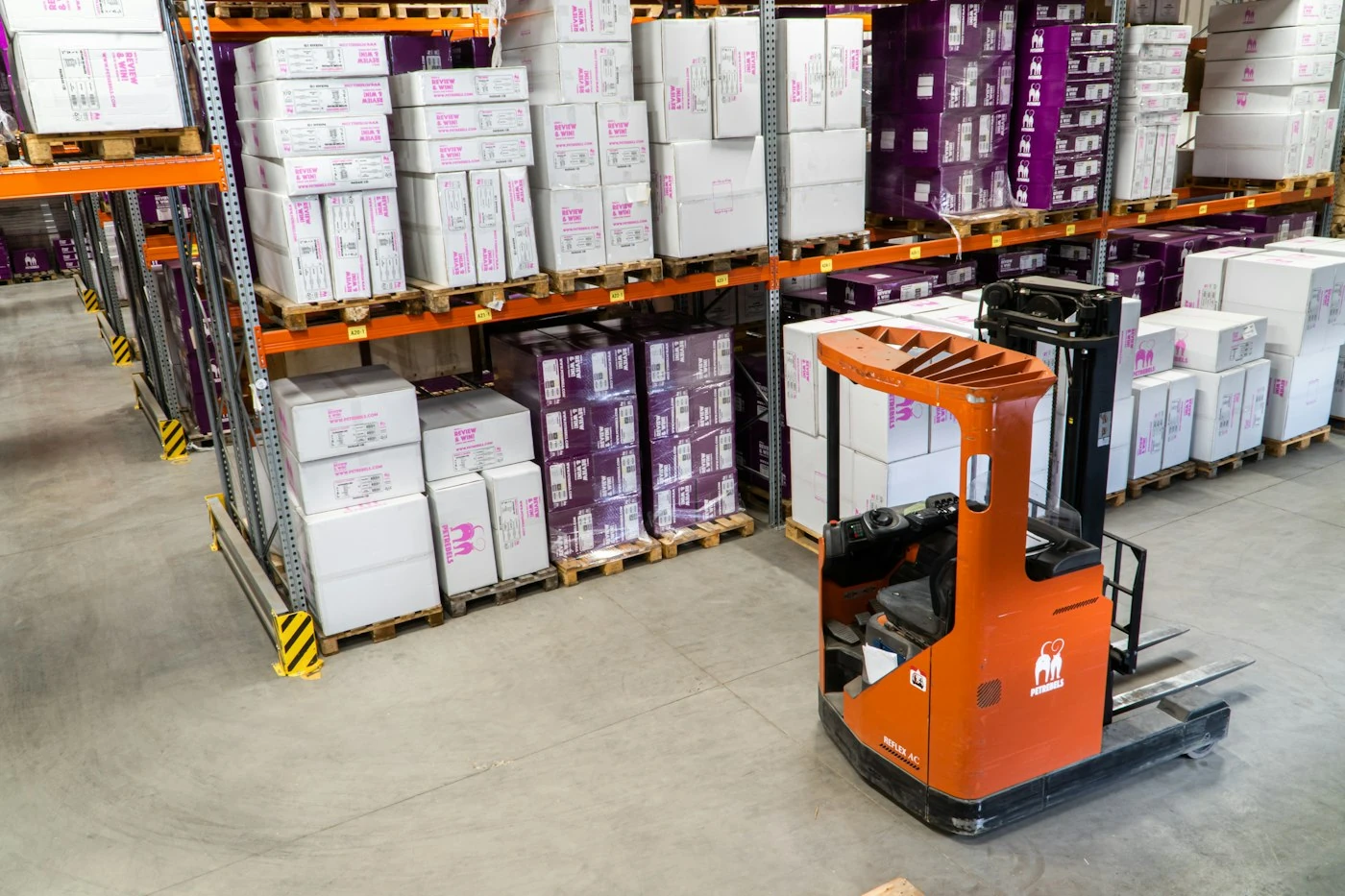
Figure 1.0 • Primary Field Sensor Telemetry & Ground Truth
Author Profile
Tatsuya Mori

Tatsuya Mori

Principal Robotics Engineer

Robotics perception researcher specializing in contact-point normals and real-time gripper grasp affordance.

Engai Research Lab Verified
Executive Summary

Synthetic data promises infinite scale with zero labeling labor, yet warehouse robots trained solely on simulator meshes fail consistently when deployed in operational facilities.

1. Edge Cases in Industrial Lighting

Plastic wrapping, specular reflection, and deformed packaging confound simulator physics. Without ground-truth human annotations anchored to physical camera calibrations, robots miss grasp points.
1. Edge Cases in Industrial Lighting
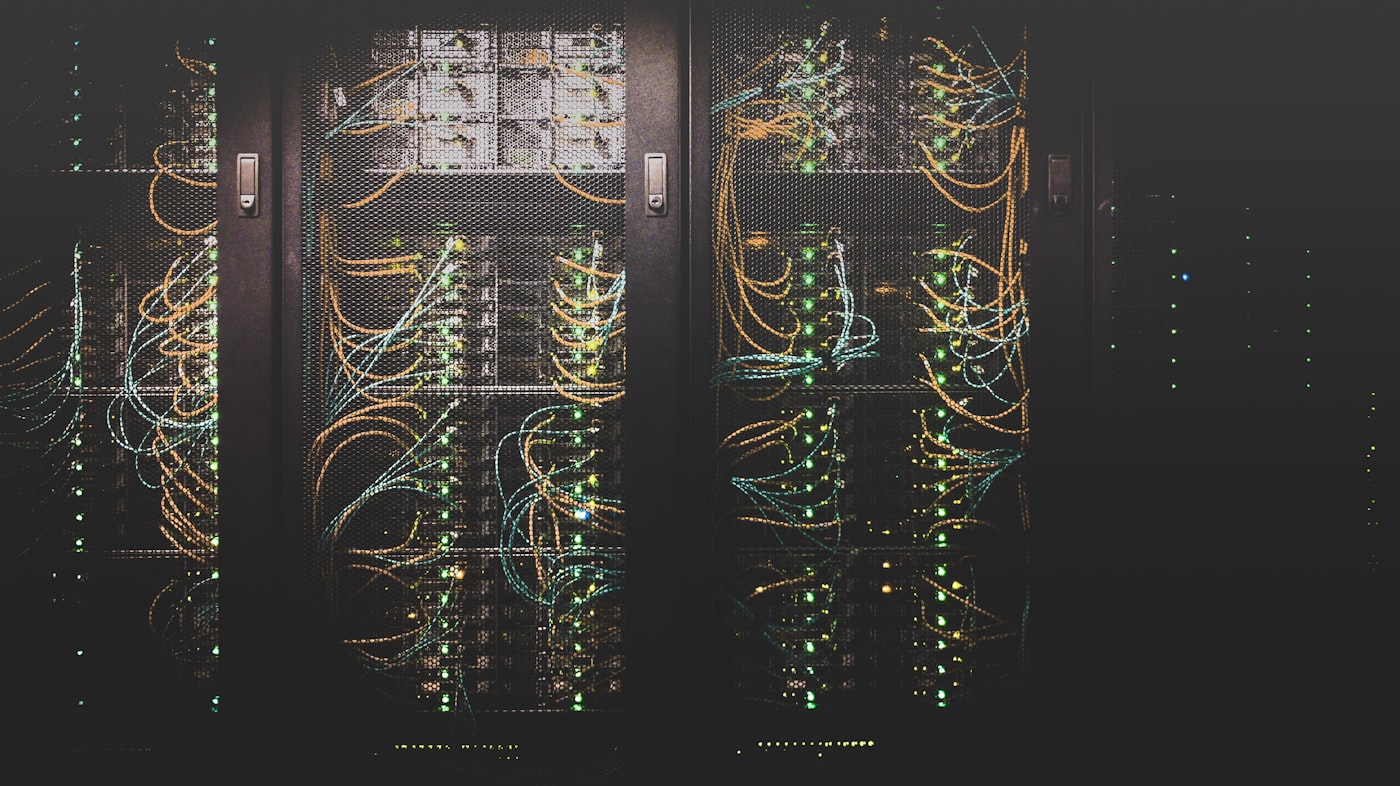
Figure 2.0 • Sensor Ingestion Topology & Multi-modal Calibration

2. Hybrid Synthesis with Human Quality Gates

We combined parametric 3D bounding with expert refinement on corner occlusions, yielding a 99.1% grasp success rate across 1,400 picks per hour.
Conclusion visualization
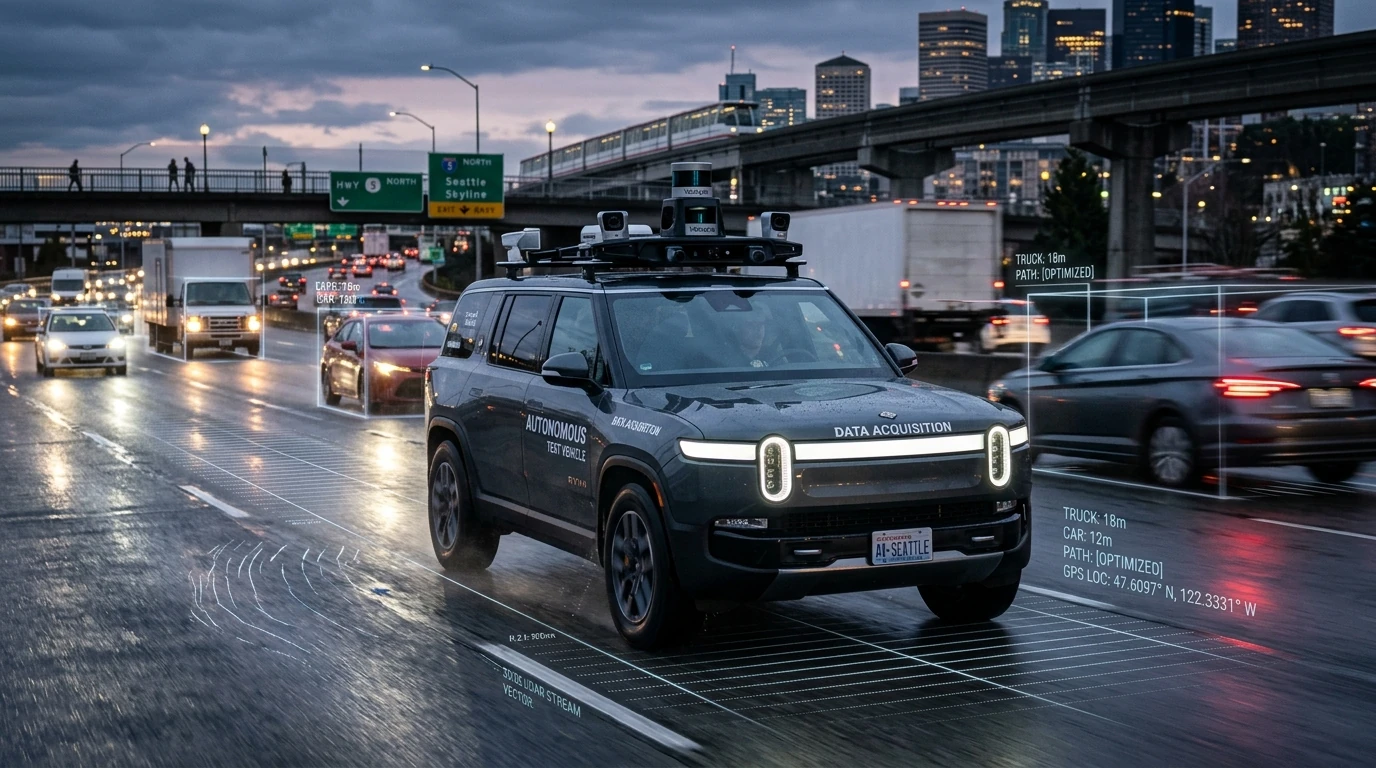
Figure 3.0 • Production Adjudication Accuracy at Petabyte Scale

Summary & Engineering Outlook

The optimal data strategy pairs simulated baseline distributions with high-precision human validation on the most severe physical edge cases.

Primary Research Sources & Empirical Citations

Google Scholar / Peer-Reviewed

This technical post combines live telemetry from Engai production fleets with the following verified academic literature, public dataset benchmarks, and Google Scholar references:

Google ScholarRobotics: Science and Systems (RSS) Proceedings
Sim-to-Real Transfer for Robotic Grasping under Dynamic Lighting

Domain randomization variance curves and contact-point normal benchmarking.
Explore Source

Continue Reading

How Active Learning Cuts 3D LiDAR Annotation Costs by 68% in Urban FleetsComputer Vision

How Active Learning Cuts 3D LiDAR Annotation Costs by 68% in Urban Fleets

Moving from brute-force random sampling to spatial uncertainty clustering in 128-beam autonomous perception pipelines.

6 min readRead
The Anatomy of Frontier Data: Why Vision-Language Models Require Spatial GroundingFoundation Models

The Anatomy of Frontier Data: Why Vision-Language Models Require Spatial Grounding

Eliminating multi-modal hallucinations through verified coordinate anchors and cross-attention supervision.

8 min readRead
Platform Architecture: Ingesting 50TB of Sensor Telemetry Per Day with Zero Latency BottlenecksPlatform

Platform Architecture: Ingesting 50TB of Sensor Telemetry Per Day with Zero Latency Bottlenecks

Building Engai’s fault-tolerant ingestion engine, streaming chunk verification, and automated schema conformance.

7 min readRead
Engai Resource Dispatch

Stay Ahead in Frontier AI Ground Truth.

Bi-weekly technical postmortems, empirical 3D perception benchmarks, and multimodal dataset releases delivered straight to your inbox.

• Read by 18,000+ ML engineers• Free open-access papers & datasets• No marketing spam, unsubscribe anytime